Architecting Governed, Self-Evolving AI Agents on Google Cloud
An architectural breakdown of Project Chrysalis on Google Cloud, analyzing how combining autonomous feedback loops with a four-gate security stack transforms high-speed incident remediation.
Architecting Governed, Self-Evolving AI Agents on Google Cloud
An architectural breakdown of Project Chrysalis on Google Cloud, analyzing how combining autonomous feedback loops with a four-gate security stack transforms high-speed incident remediation.
Quick Summary
- Project Chrysalis integrates the Gemini Enterprise Agent Platform, Agent Development Kit (ADK), and BigQuery.
- A four-gate defense-in-depth security stack governs agent operations.
- The architecture targets live production outage remediation within a 1.8-second design window.
What Changed?
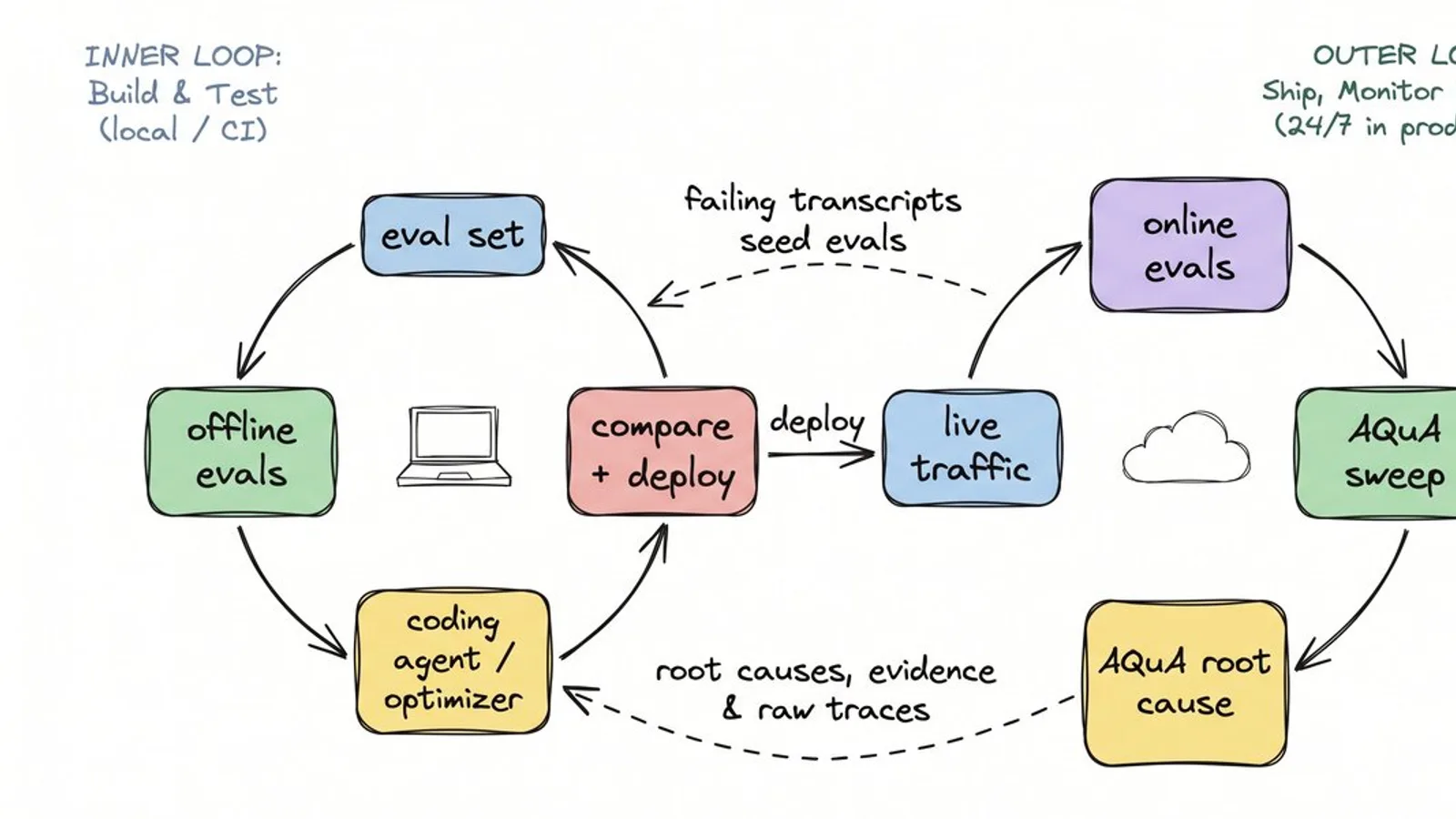
Traditional incident response relies on static runbooks and human execution, introducing latency during critical outages. Project Chrysalis shifts toward self-evolving, autonomous AI agents that analyze incoming data streams, adapt workflows over time, and execute corrective actions without manual intervention. This moves operational tooling from reactive automation to continuous agentic self-evolution.
Key Details
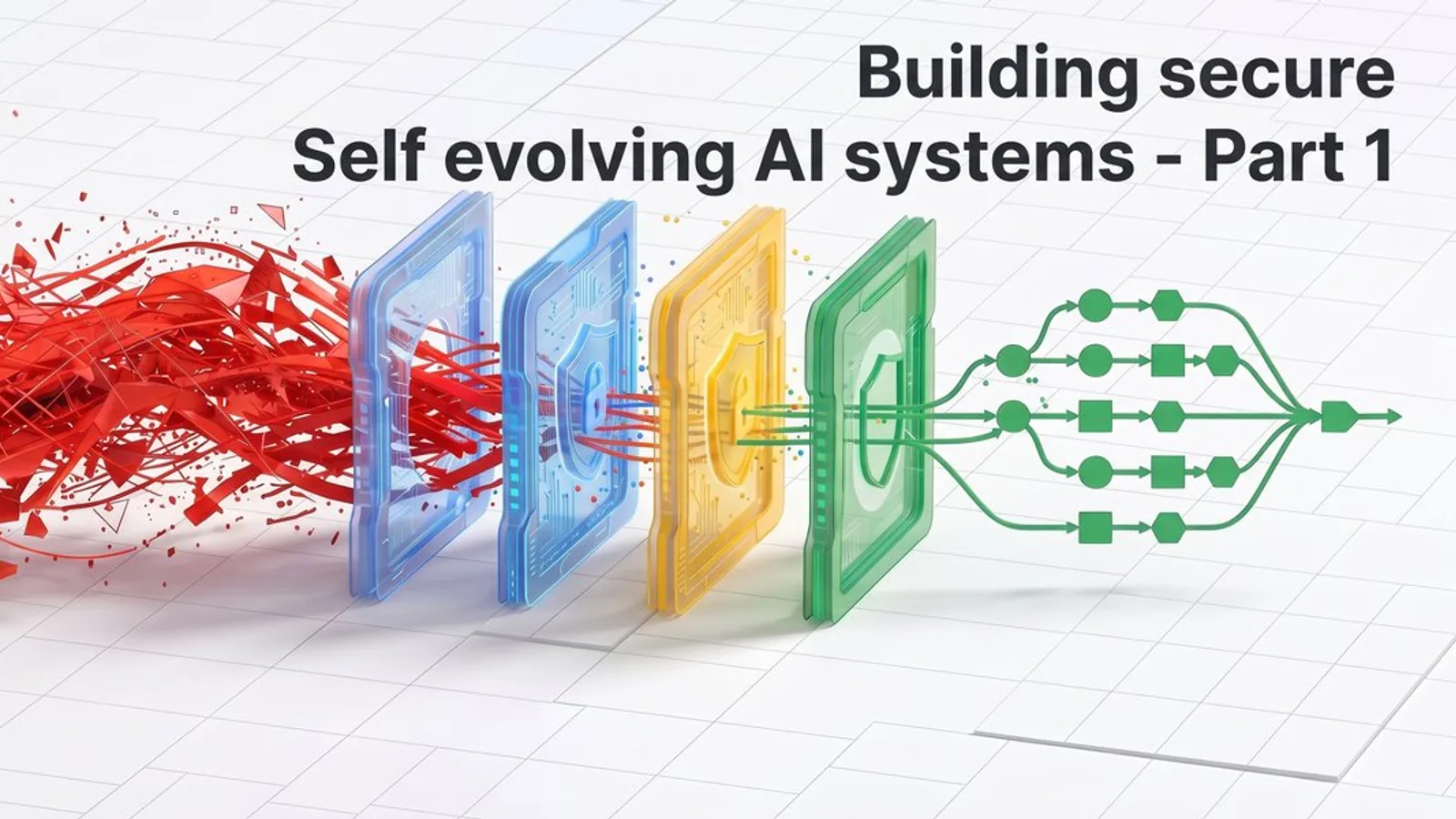
Based on verified facts from the Gemini Enterprise Agent Platform source material, Project Chrysalis uses the Gemini Enterprise Agent Platform alongside the Agent Development Kit (ADK) for agent lifecycles. BigQuery processes telemetry and feedback data. A four-gate defense-in-depth security stack consisting of Model Armor, Cloud KMS, Binary Authorization, and OPA governs the framework.
Technical Impact
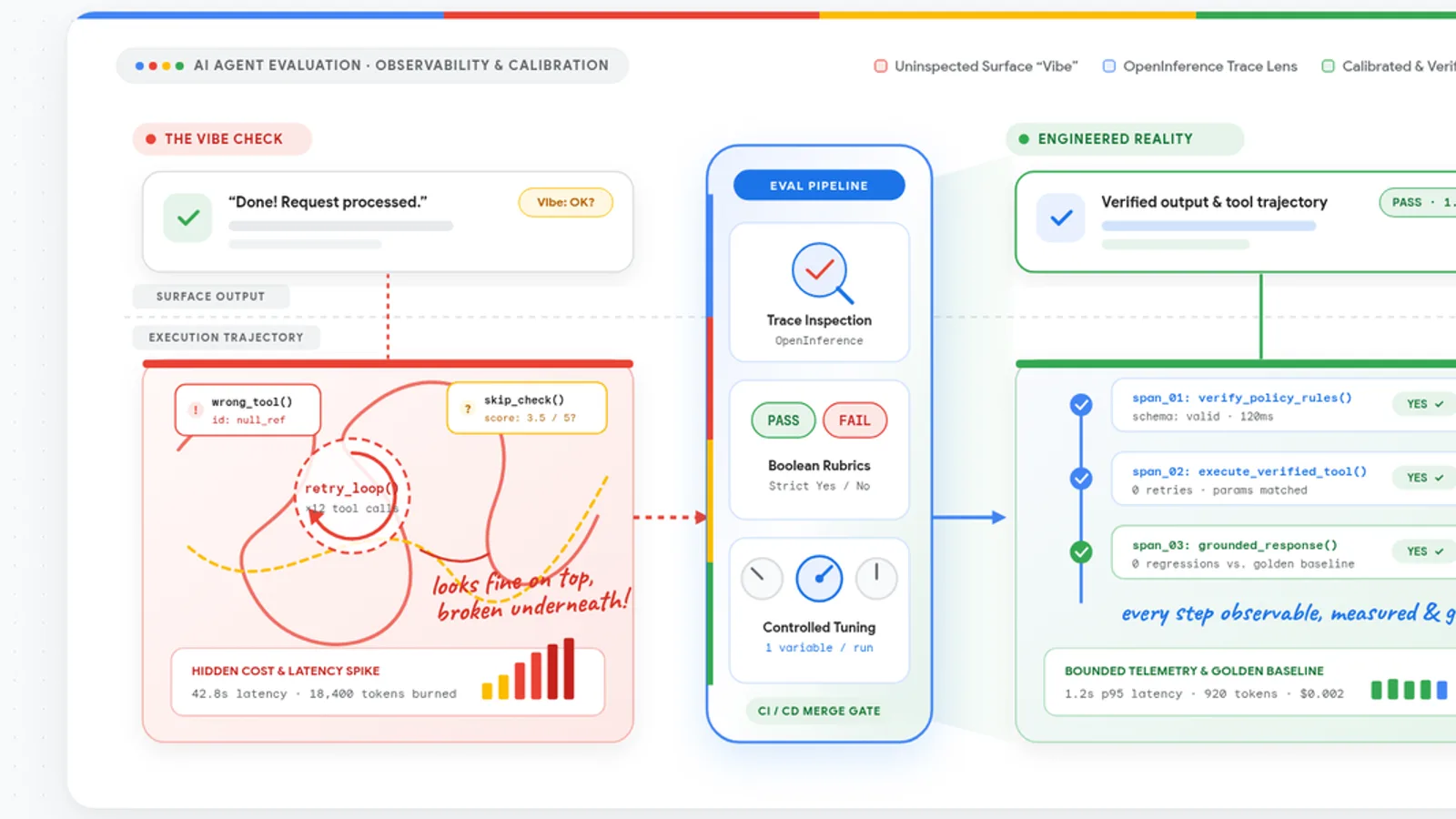
Self-evolving feedback loops require continuous ingestion of operational data to update agent behavior. BigQuery serves as a high-throughput repository for telemetry. The security stack enforces boundaries on stochastic agent outputs. Model Armor filters inputs and outputs against prompt injection and data leakage. Cloud KMS provides cryptographic controls. Binary Authorization ensures supply chain integrity, while OPA enforces policy compliance as code prior to execution.
What This Means for Businesses
For organizations managing complex cloud infrastructure, reducing Mean Time to Resolution minimizes revenue loss during outages. Autonomous incident response scales remediation beyond human staffing limits. However, risk management requires balancing speed against operational oversight to prevent unintended production side effects.
Developer Impact
Engineering teams building agentic workflows must construct telemetry pipelines that feed reliable context to LLM-based agents. Writing policy-as-code rules for frameworks like OPA is required to ensure that self-modifying agents do not bypass compliance boundaries or execute unauthorized infrastructure changes.
Limitations
Detailed code samples, exact architectural specifications, and implementation guides are absent from the available documentation. The benchmark claim of 1.8-second remediation must be treated as a design target or controlled benchmark pending real-world production verification across varied failure modes.
CodePlay Developer Take
From a development perspective, the primary challenge of architectures like Project Chrysalis lies in enforcing deterministic governance over stochastic, self-evolving systems. While LLMs excel at processing unstructured telemetry and formulating remediation plans, software systems require predictable boundaries. Integrating policy gates like OPA and cryptographic controls via Cloud KMS at every step of the agent lifecycle is a necessary design pattern to prevent runaway loops.
CodePlay Verdict
Project Chrysalis outlines an architectural blueprint for modern cloud engineering by merging agentic flexibility with defense-in-depth security. Teams should approach adoption incrementally, starting with read-only telemetry analysis before granting agents automated execution privileges under strict OPA and Model Armor policies.
Sources & Further Reading
- Architecting Governed, Self-Evolving AI Agents on Google Cloud — primary source
Sources & Further Reading
CodePlay Insights references primary sources. Original reporting and announcements belong to their publishers.